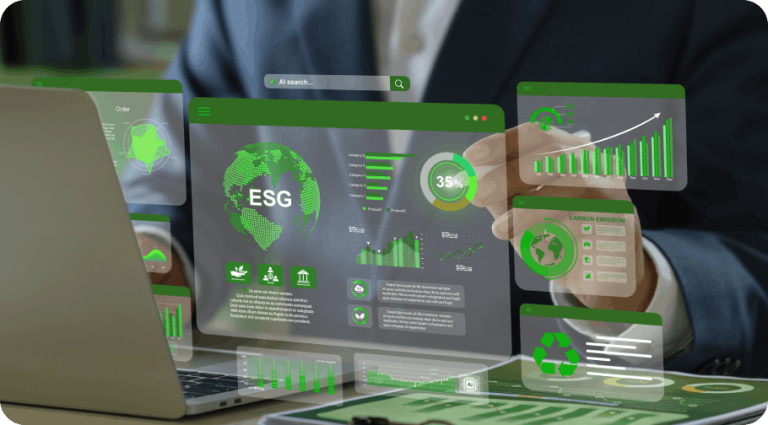
In today’s rapidly evolving business landscape, traditional financial statements no longer tell the full story. While the balance sheet, income statement, and cash flow report remain essential, forward-thinking organizations are embracing a broader, more integrated approach to financial reporting—one that reflects not just what the business owns, but what it stands for.

Why It Matters
Stakeholders—from investors to customers—are demanding more than just numbers. They want to understand how a company creates value, manages risk, and upholds sustainability. Regulatory bodies are also increasing their focus on transparency, accountability, and long-term impact.
This shift signals a move beyond compliance toward communication—where financial reporting becomes a tool for building trust, showcasing strategy, and aligning with purpose.
Key Elements of the New Financial Reporting
1. Integrated Thinking
Modern reporting combines financial data with non-financial metrics—like environmental impact, social responsibility, and governance (ESG). This holistic view helps stakeholders understand how various elements of the business interconnect.
2. Narrative & Context
Data is only as powerful as the story it tells. The new face of financial reporting includes management commentary, strategic context, and risk disclosures that give numbers meaning and direction.
3. Sustainability Reporting
More companies are adopting global standards (such as GRI or ISSB) to disclose carbon footprints, resource use, and social impact—especially in response to investor and regulatory pressure.
4. Real-Time Insights
With digital tools and cloud platforms, financial reporting is becoming more dynamic and timely—supporting faster decision-making and better agility in uncertain markets.
5. Stakeholder-Centric Communication
Instead of reporting just for shareholders, modern financial disclosures are crafted for employees, regulators, customers, and the public, reflecting broader accountability.
Looking Ahead
The evolution of financial reporting is not just about ticking boxes—it’s about creating transparency, enabling smarter decisions, and telling a story that aligns values with value creation. For finance professionals and business leaders, embracing this shift is not just a trend—it’s a competitive advantage.
Financial reporting is evolving, and those prepared for this shift will lead with clarity and confidence.
To support professionals navigating this change, we’ve developed a specialised course on sustainability reporting—designed to equip you with the knowledge and tools to get started the right way.